
Transform Your Life with Toxin-Free Nutrition
In a world where processed foods dominate our diets, the idea of toxin-free nutrition can seem overwhelming. Yet, the benefits of embracing a cleaner, more natural way of eating are profound. Imagine feeling more energetic, improving your mood, and enhancing your overall health simply by making conscious food choices. This blog post will guide you through the transformative journey of adopting toxin-free nutrition, providing practical tips, delicious recipes, and insights into how this lifestyle can change your life for the better.

Understanding Toxin-Free Nutrition
Toxin-free nutrition focuses on consuming whole, unprocessed foods that are free from harmful chemicals, additives, and preservatives. This approach emphasizes the importance of selecting organic produce, grass-fed meats, and sustainably sourced seafood. By prioritizing these foods, you can reduce your exposure to toxins that may negatively impact your health.
What Are Toxins?
Toxins are harmful substances that can enter our bodies through food, air, and water. They can come from various sources, including:
Pesticides: Chemicals used in agriculture to protect crops from pests.
Additives: Artificial substances added to food for preservation, flavor, or color.
Heavy Metals: Contaminants found in some fish and processed foods.
Hormones and Antibiotics: Used in livestock farming that can affect human health.
Reducing your intake of these toxins can lead to improved health outcomes, including better digestion, enhanced immune function, and increased energy levels.
The Benefits of Toxin-Free Nutrition
Adopting a toxin-free diet can lead to numerous health benefits. Here are some of the most significant advantages:
Improved Digestion
A diet rich in whole foods promotes healthy digestion. Foods high in fiber, such as fruits, vegetables, and whole grains, can help maintain gut health and prevent digestive issues.
Increased Energy Levels
When you eliminate processed foods and toxins from your diet, your body can function more efficiently. Many people report feeling more energetic and alert after switching to a toxin-free diet.
Enhanced Mood and Mental Clarity
Nutrition plays a crucial role in mental health. Consuming nutrient-dense foods can improve mood and cognitive function, helping you feel more focused and positive.
Weight Management
Toxin-free nutrition often leads to weight loss or maintenance. Whole foods are typically lower in calories and higher in nutrients, making it easier to manage your weight without feeling deprived.
Reduced Risk of Chronic Diseases
A diet rich in antioxidants and anti-inflammatory foods can lower the risk of chronic diseases such as heart disease, diabetes, and certain cancers.
How to Transition to Toxin-Free Nutrition
Making the switch to toxin-free nutrition doesn't have to be daunting. Here are some practical steps to help you transition smoothly:
Start with Whole Foods
Focus on incorporating more whole foods into your diet. This includes:
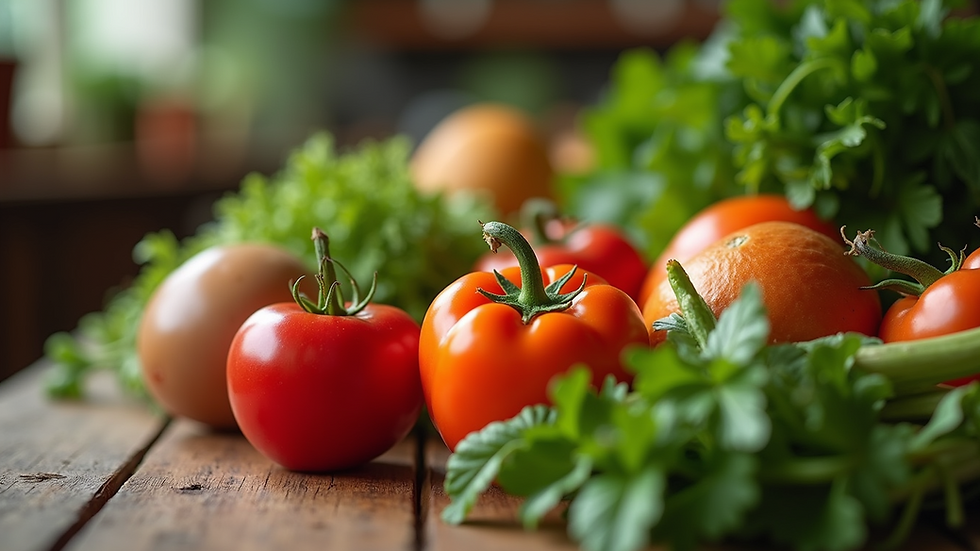
Fruits and Vegetables: Aim for a variety of colors to ensure you're getting a range of nutrients.
Whole Grains: Choose brown rice, quinoa, and whole wheat products over refined grains.
Lean Proteins: Opt for grass-fed beef, free-range chicken, and wild-caught fish.
Read Labels Carefully
When shopping, take the time to read food labels. Look for products with minimal ingredients and avoid those with artificial additives and preservatives.
Choose Organic When Possible
Organic foods are grown without synthetic pesticides and fertilizers. While they may be more expensive, the health benefits can outweigh the costs. Prioritize buying organic for the "Dirty Dozen," a list of fruits and vegetables that are known to have higher pesticide residues.
Meal Prep and Planning
Planning your meals in advance can help you stay on track with your toxin-free nutrition goals. Set aside time each week to prepare healthy meals and snacks, making it easier to avoid processed options when you're hungry.
Experiment with New Recipes
Trying new recipes can make the transition to toxin-free nutrition enjoyable. Explore different cuisines and cooking methods to keep your meals exciting. Here are a few ideas to get you started:
Quinoa Salad with Roasted Vegetables: Toss cooked quinoa with seasonal vegetables, olive oil, and lemon juice for a refreshing dish.
Zucchini Noodles with Pesto: Swap traditional pasta for spiralized zucchini and top with homemade pesto for a low-carb alternative.
Chia Seed Pudding: Mix chia seeds with almond milk and let it sit overnight for a nutritious breakfast or snack.
Overcoming Challenges
Transitioning to toxin-free nutrition may come with its challenges. Here are some common obstacles and how to overcome them:
Cravings for Processed Foods
It's normal to crave processed foods, especially if they have been a staple in your diet. To combat cravings, try:
Finding Healthy Alternatives: If you're craving chips, opt for air-popped popcorn or baked vegetable chips.
Staying Hydrated: Sometimes, thirst can be mistaken for hunger. Drink plenty of water throughout the day.
Social Situations
Eating out or attending social gatherings can be tricky when you're trying to maintain a toxin-free diet. Here are some tips:
Research Restaurants: Look for places that offer organic or farm-to-table options.
Bring Your Own Dish: If you're attending a potluck, bring a toxin-free dish to share.
Time Constraints
Busy schedules can make it challenging to prepare healthy meals. To save time:
Batch Cook: Prepare larger quantities of meals and freeze portions for later use.
Use a Slow Cooker: Set it up in the morning for a healthy meal that will be ready by dinner.
The Role of Supplements
While a well-rounded diet should provide most of the nutrients you need, some people may benefit from supplements, especially if they have specific dietary restrictions. Consult with a healthcare professional to determine if supplements are right for you.
Staying Motivated
Maintaining a toxin-free lifestyle requires commitment and motivation. Here are some strategies to help you stay on track:
Set Realistic Goals
Start with small, achievable goals. For example, aim to incorporate one new toxin-free meal each week or replace one processed snack with a whole food option.
Track Your Progress
Keep a food journal to track what you eat and how you feel. This can help you identify patterns and stay accountable.
Find a Support System
Connect with others who share your interest in toxin-free nutrition. Join online communities or local groups to share recipes, tips, and encouragement.
Conclusion
Transforming your life with toxin-free nutrition is a journey that can lead to improved health and well-being. By making conscious food choices, you can reduce your exposure to harmful substances and nourish your body with wholesome, nutrient-dense foods. Remember, every small change counts, and the benefits will be worth the effort. Start today by incorporating more whole foods into your diet, and watch as your energy, mood, and overall health improve. Embrace the journey, and enjoy the delicious flavors of toxin-free living!

Comments